
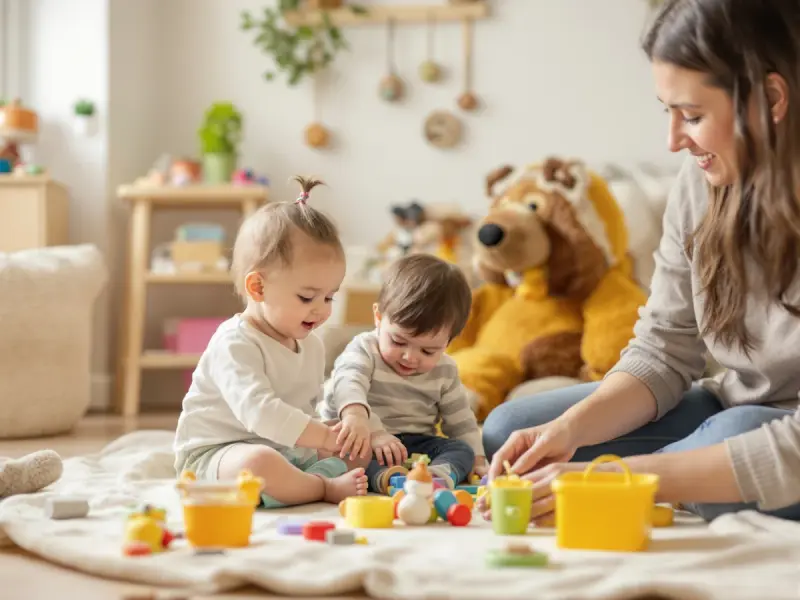
3-day option
A part-week Pre-K rhythm can give children consistent classroom practice while leaving space in the family week. Contact the preschool to confirm current days, session times, and availability.
A caring Pre-K setting where children build confidence for the routines and relationships of Kindergarten.
The move from preschool to Kindergarten is about more than early academics. Children need practice listening in a group, following classroom rhythms, trying new tasks, building friendships, and seeing themselves as capable learners.
Families can ask the preschool for current Kindergarten Readiness schedule availability, including part-week and full-week options. Morning and afternoon openings may vary, so the office is the best place to confirm the latest details.
A part-week Pre-K rhythm can give children consistent classroom practice while leaving space in the family week. Contact the preschool to confirm current days, session times, and availability.
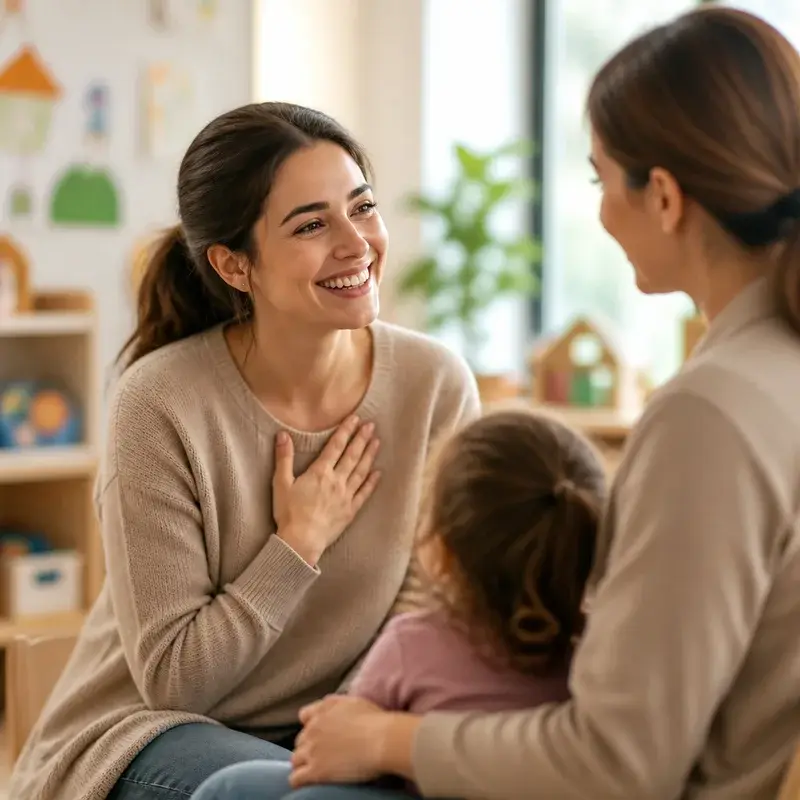
A full-week Pre-K rhythm can help children build familiarity with daily routines, transitions, and group participation. Contact the preschool to confirm current days, session times, and availability.
Kindergarten readiness shows up in everyday moments: joining the group, caring for belongings, asking for help, solving small problems, and trying again. These skills help children participate more fully in school and feel proud of what they can do.
Children learn that they are an important part of the classroom community. Feeling included helps them take healthy risks, share ideas, and build friendships.
Pre-K children practice caring for materials, making choices, and understanding classroom expectations. These small responsibilities prepare them for the independence Kindergarten requires.

Children are encouraged to handle age-appropriate tasks with growing confidence. Each step toward independence helps them feel capable in a school setting.
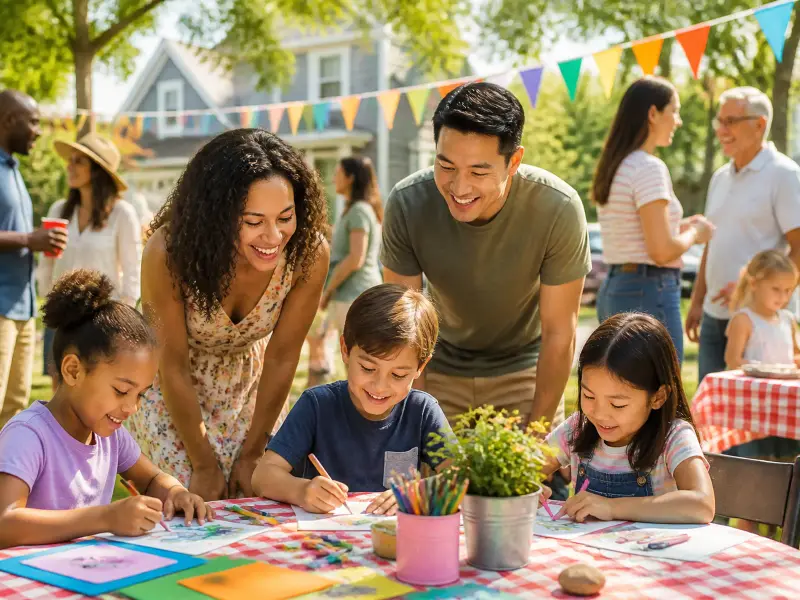
Predictable classroom rhythms help children move from one activity to another with less stress. Practice with group time, cleanup, snack, and movement supports smoother school days.
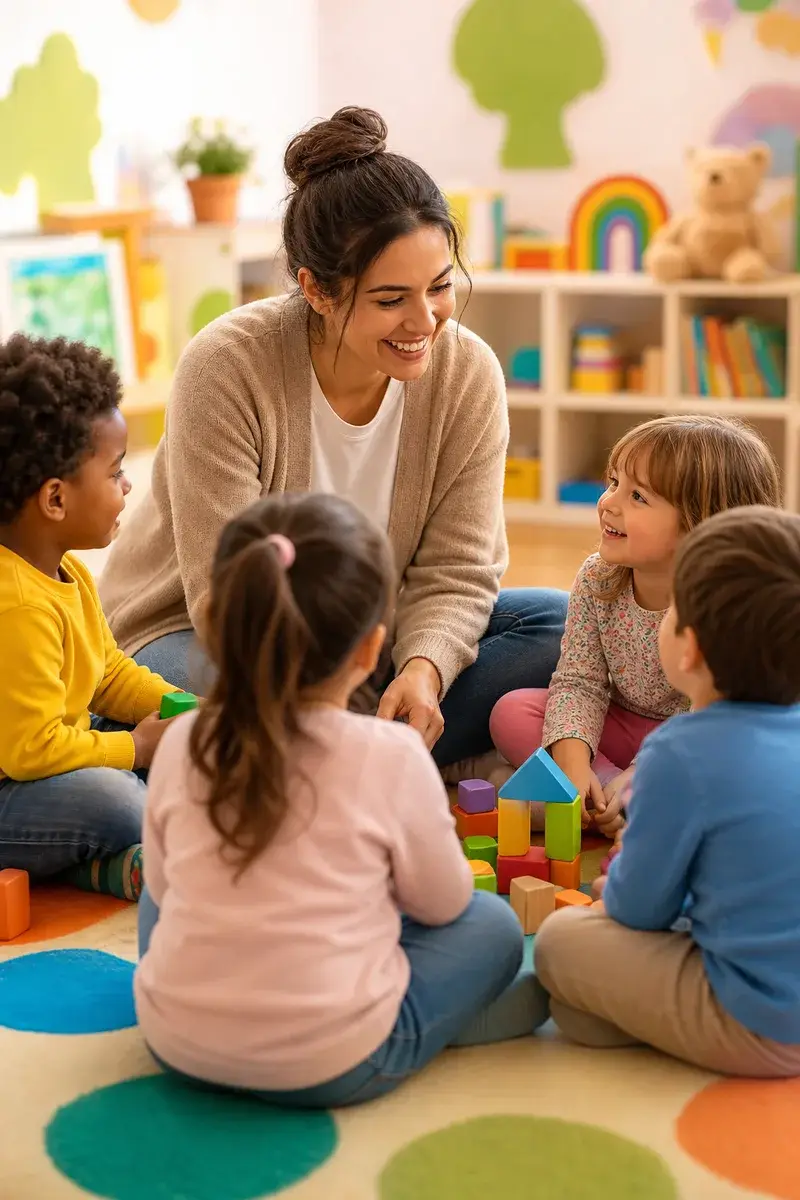
Strong relationships with teachers and classmates help children feel secure enough to participate. Trust creates the emotional foundation for listening, learning, and cooperation.
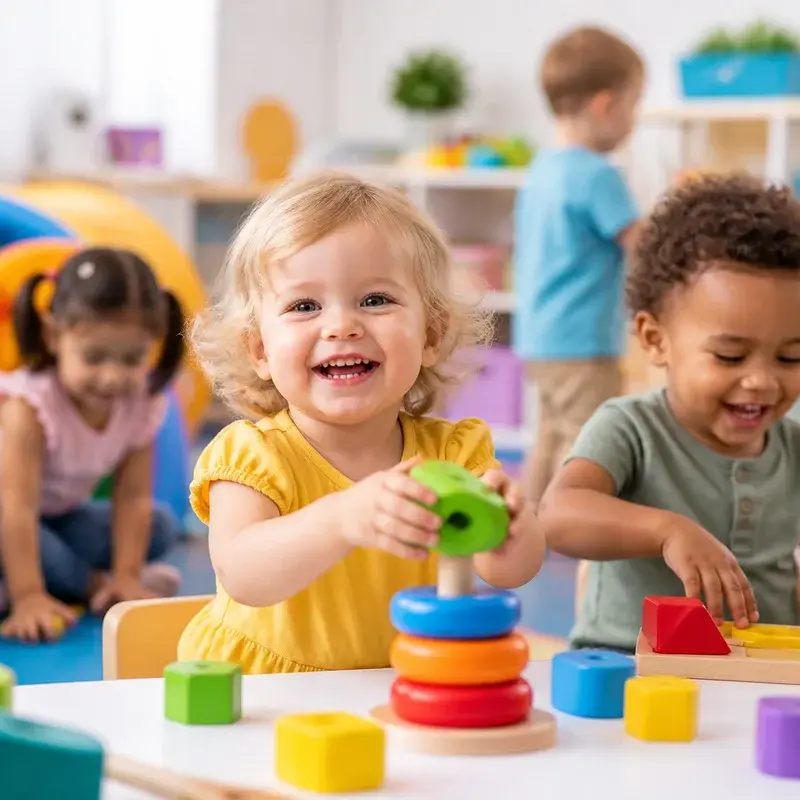
Families know their children best, and that connection matters during the Pre-K year. Open communication helps parents and teachers support growth together.
A balanced Pre-K day gives children structure without taking away the joy of discovery. Group learning, hands-on projects, stories, snack, play, and movement all work together to support readiness.
Children gather as a group to practice listening, conversation, calendar or routine work, and early learning focus. This shared time helps build attention, participation, and classroom confidence.
Hands-on projects, purposeful play, learning centers, and alphabet activities give children room to explore and create. These experiences support early literacy, problem-solving, and cooperation.
Stories build language, listening skills, imagination, and a love of books. Snack routines give children practice with manners, conversation, and everyday independence.
Active movement helps children develop coordination, body awareness, confidence, and healthy energy. It also gives them practice following directions in a more physical setting.
If your child is approaching Kindergarten, the next step is to review current availability, registration details, and tuition information directly with the preschool. A quick conversation can help you understand whether the program fits your child and your family’s schedule.